
Blog
Dental hygiene tips for healthy teeth & gums
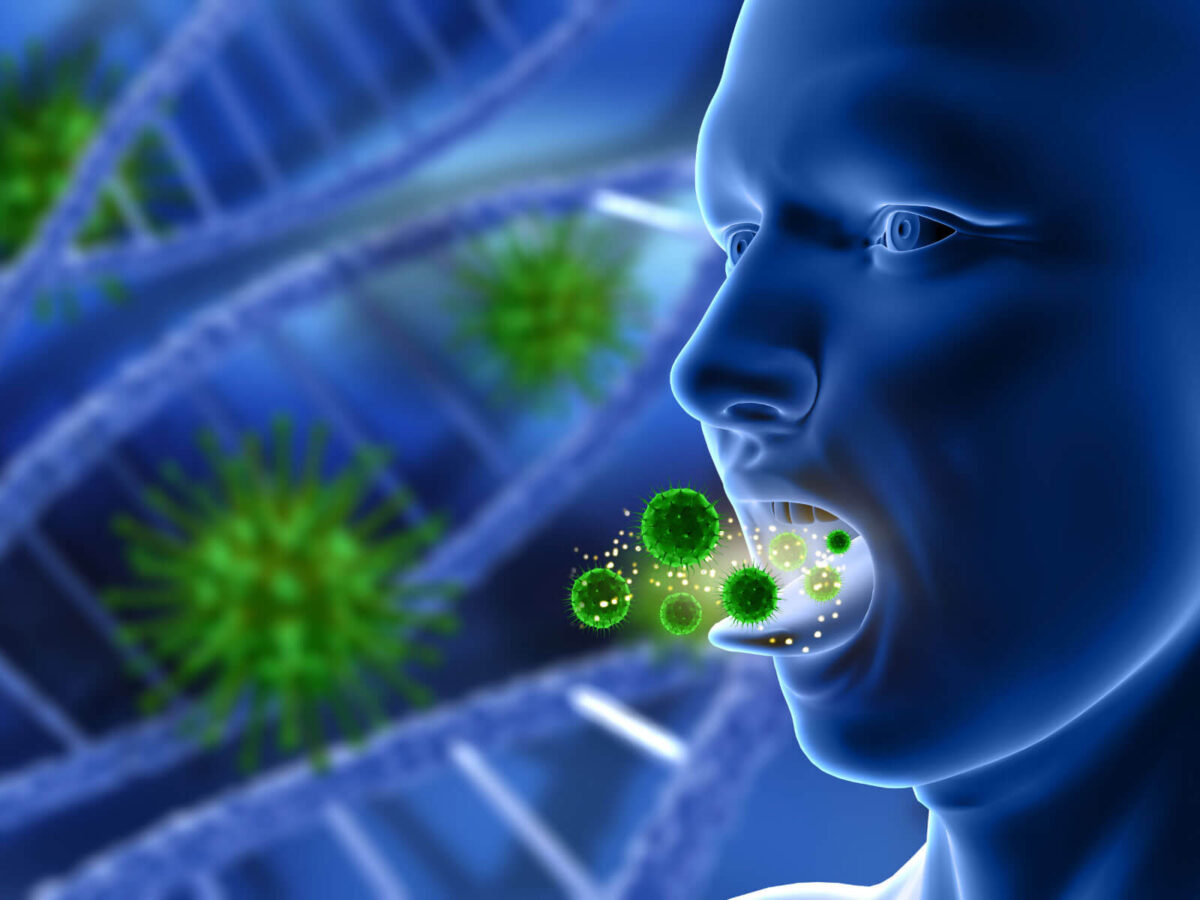
What Is the Oral Microbiome and Why Does It Matter?
I had come across the term oral microbiome a few times before actually looking into what it meant.
Every mouth contains bacteria. The variety is wider than most people would guess — thousands of different microorganisms across the teeth, tongue, gums, and other surfaces, and researchers are still identifying new ones.
A healthy mouth is already full of bacterial life. Having bacteria in the mouth is not the issue. Issues can develop when certain bacterial species become more dominant.
The Human Microbiome Project put the oral cavity among the most microbially diverse environments they looked at. The number in that area is larger than in most parts of the body.
What Is the Oral Microbiome
Bacteria make up most of it. Fungi, viruses, and other microbes are part of it, too. The oral microbiome is just the term that covers all of them together.
Every mouth has one. It is not something that develops from poor hygiene or shows up after a problem starts. It has been there since infancy, and it stays.
The tongue has its own microbial environment. Tooth surfaces have a different one. Gum tissue is different again. Neighboring teeth do not even necessarily carry the same bacterial populations.
The mouth microbiome research covers a lot of ground, partly for that reason. Researchers are not looking at one community. They are looking at several, spread across different parts of the mouth, each behaving a bit differently.
Why Do Bacteria Thrive In The Mouth
Warm, wet, and constantly supplied with food residue. The mouth gives bacteria almost everything they need, and the teeth, gums, and tongue give them plenty of surfaces to attach to.
Saliva moves things around but doesn’t flush bacteria out. Once they’ve settled onto a surface, most of them stay put. I’ve read that some strains are remarkably good at holding on even with regular brushing.
The Human Microbiome Project found a striking number of microbial species living in the mouth, more than most people would guess. It’s one of the more densely populated environments in the body.
How Does the Oral Microbiome Stay Balanced
Saliva does a lot of the work. Debris gets washed away, and the pH of the mouth is partly regulated by it. When saliva production drops, certain bacteria get more room.
What someone eats affects the balance. So do medications and general health. The oral microbiome responds to a lot of different inputs at once.
The bacterial species themselves interact constantly. Some species suppress others. If that breaks down, certain species get more room to grow.
A Nature Reviews Microbiology review went into how microbial activity and the oral environment both factor into what the oral microbiome looks like.
What Happens When the Levels Change
Bacterial populations within the oral microbiome do not remain constant. Some grow. Some get pushed out. That balance shifts based on what is happening in the mouth.
Plaque is worth understanding here. It is not just debris on teeth — it is a bacterial community living on tooth surfaces. The bacteria inside it are not static. The mix changes, and research on cavities and gum disease keeps pointing back to that.
Diet plays into it. Dry mouth plays into it. Medications do too. None of those factors works alone.
The bacteria associated with cavities and gum disease are not coming from somewhere else. They are already present. What the research focuses on is what causes certain species to become more dominant than others.
Why Does the Mouth Microbiome Matter for Teeth and Gums
Teeth and gum surfaces naturally develop biofilms. They are thin layers where bacterial communities live and grow. The research on cavities and gum disease keeps pointing back to what happens inside those communities when the bacterial mix shifts.
Changes in oral microbes are discussed in information published by the American Academy of Periodontology on gum disease. That finding keeps coming up across different studies.
Dentistry has been dealing with these ideas for a long time through plaque management and preventive care. The terminology around the mouth microbiome is newer. The bacteria behind it have been part of that conversation for a long time.
How Is the Oral Microbiome Connected to Bad Breath
The tongue gets a lot of attention in oral microbiome research on bad breath. Its surface traps bacteria. And those bacteria produce volatile sulfur compounds. That is where a significant portion of oral malodor comes from.
Not every case traces back to the mouth. Medical conditions and certain medications produce breath odor from elsewhere. But when bad breath is coming from inside the mouth, bacterial activity is usually involved.
The International Journal of Oral Science published research pointing to oral bacteria as a primary driver of intraoral halitosis. The findings did not come down to one species. The research points to the bacterial balance across the mouth rather than any single organism.
Why Is the Oral Microbiome Being Discussed Outside Dentistry
The mouth microbiome used to be a dental research topic. That has shifted.
What is happening in the mouth is now being studied in relation to other systems in the body. Oral bacteria showing up in research on conditions that have nothing to do with teeth or gums has become less unusual. The journals publishing this work are not always dental journals.
A lot remains unknown. The oral microbiome is showing up well outside dental research now.
Can Mouth Bacteria Treatment Improve the Oral Microbiome
Mouth bacteria treatment covers a few different things depending on context. Professional cleanings are part of it. Daily brushing and flossing are part of it. Some patients are also advised on antimicrobial rinses, though that is more situational.
Getting rid of all mouth bacteria is not what mouth bacteria treatment is about. The mouth needs to have bacteria in it.
Which bacterial communities are present, and whether certain species are gaining ground, is what the research actually looks at.
What Daily Habits Can Affect the Mouth Microbiome
Brushing and flossing have the most direct impact on what is living on tooth surfaces. Plaque is a bacterial community. Leave it long enough, and the bacteria inside it shift toward species associated with decay. Removing it regularly interrupts that.
Saliva keeps the oral environment stable, and it depends on the body having enough fluid. When the mouth gets dry, the bacterial balance shifts. Dry mouth is worth paying attention to for that reason.
What someone eats feeds certain bacteria more than others. The research on exactly how diet shapes the mouth microbiome is still developing, but food choices clearly factor in.
FAQs
Oral microbiome – What is it?
Every mouth has a microbial community living in it. The oral microbiome is just what that community gets called.
Is the mouth microbiome the same as mouth bacteria?
Not quite. Bacteria are the biggest part of it. But the mouth microbiome covers everything living in the oral environment.
Can mouth bacteria treatment remove all bacteria?
That is not really the goal. Mouth bacteria treatment is about managing bacterial activity and keeping harmful populations in check. A mouth with no bacteria is not what anyone is working toward.
Does the oral microbiome affect gum disease?
Yes. Shifts in the mouth’s microbial community have come up repeatedly in research on both cavities and gum disease.
Can the oral microbiome affect cavities?
Yes. The bacteria living in plaque play a direct role in how decay starts. The research on it has been consistent enough that it is difficult to dismiss.
Conclusion
The oral microbiome is not separate from everyday dentistry. Plaque, cavities, gum disease, saliva — the bacterial communities in the mouth are already at the center of all of it.
Curious about what this means for your own oral health? Bring it up at your next dental visit. If you have not booked one in a while, now is a good time.

