
Blog
Dental hygiene tips for healthy teeth & gums
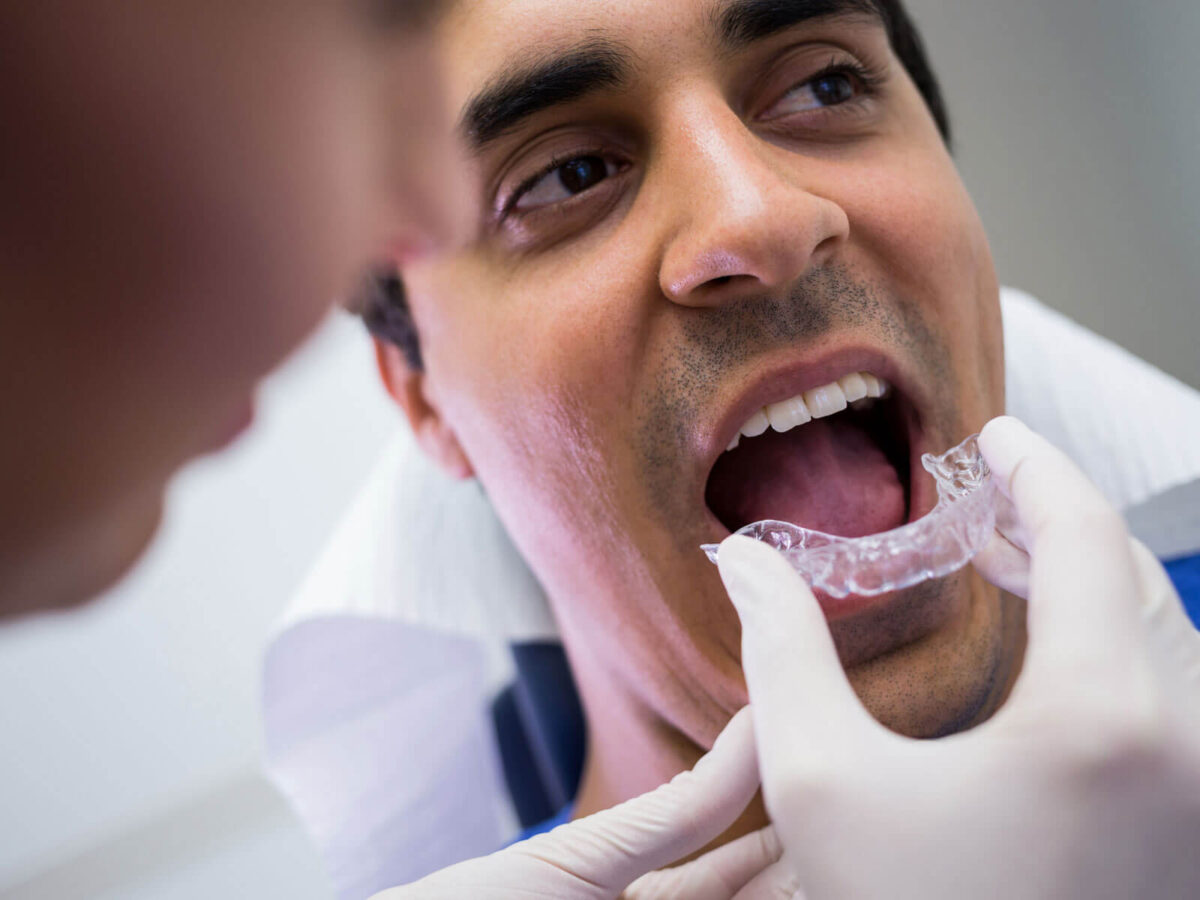
Bite Correction: Treatment Options for Overbites, Underbites & Crossbites
Bite correction sounds simple until you realize it covers three pretty different problems, and they don’t get treated the same way. Most people can’t even tell which one they have just by looking in a mirror.
I have a relative who spent close to a decade thinking her underbite was just her face. She figured it was genetics, the same shrug most people give it.
A hygienist brought it up during a routine cleaning, something about how unevenly she chewed on one side. That’s what finally got her to a specialist. A lot of people write bite problems off as cosmetic long before anyone tells them otherwise.
TL;DR
Bite correction sounds like one thing. It’s really three: overbite, underbite, crossbite, all filed under what dentists call malocclusion. More than half of people worldwide have some version of it.
Genetics is behind most cases. Thumb sucking can do it too, if it sticks around past the toddler years.
What fixes it depends entirely on how severe things are and how old someone is when it gets caught. Braces cover a lot of ground on their own. Some cases need surgery layered on top, and the price tag follows right along with that, anywhere from a few thousand dollars to well into five figures.
What Actually Counts as a Bite Problem
Cleveland Clinic calls it malocclusion, the clinical word for a bite where the top and bottom teeth don’t line up right. It’s common too. Cleveland Clinic puts the number at around 56% of people worldwide, more than half of everyone walking around with some version of a bite that isn’t textbook. I had to read that stat twice.
Most people know overbite when they see it, top teeth sitting too far over the bottom ones. Underbite flips that, jaw and teeth pushed forward instead. Crossbite is less intuitive. Some upper teeth land inside the lower teeth rather than outside them, sometimes just one or two teeth, sometimes a whole side of the mouth.
Is It Just a Cosmetic Thing
Not really. A bad bite can mess with how well someone chews. It can affect speech too, and it wears teeth down unevenly over time. Some teeth end up doing more work than they’re built for.
Bad enough cases bring jaw pain into it as well. Cleveland Clinic notes that untreated malocclusion can contribute to jaw problems and abnormal wear on the teeth. The joint just wasn’t built to carry that kind of load forever.
So What Causes This Stuff
Mostly genetics, and it’s not close. Jaw size, tooth size, how the top and bottom jaw grow relative to each other – all of it tends to run in families. Show up to a dental appointment with your grandmother’s underbite, and there’s a good chance that’s exactly where it came from.
Habits matter too, especially early on. I’ve heard dentists point to the same few things over and over: thumb sucking that runs too long, pacifier use well past toddler years, tongue thrusting that becomes a pattern. Losing baby teeth too early or too late causes a similar problem. The permanent teeth underneath don’t come in the way they’re meant to.
Injury causes some cases. So do tumors or growths, though that’s rare enough that it’s barely worth worrying about.
What Does Malocclusion Treatment Actually Look Like
Malocclusion treatment really depends on which bite problem someone has and how far along it is.
Braces or Clear Aligners. The default for most mild to moderate cases, across all three bite types. I’ve seen timelines run anywhere from one year to three, depending on how much actually needs to shift.
Palatal Expanders. Mostly for crossbite cases where the upper jaw is too narrow. These work because a growing jaw responds to steady pressure in a way an adult jaw just doesn’t anymore.
Headgear or Growth Appliances. Used while a kid’s still growing. The goal is steering the jaw early, before an overbite or underbite becomes something only surgery can fix.
Extraction. Not enough room. That’s the whole logic behind it. Pull a tooth, and everything else has somewhere to go. Cleveland Clinic lists it among the treatment options for malocclusion, usually paired with braces rather than done alone.
Does Timing Actually Matter
It does, quite a bit. Catch a bite problem while a kid’s jaw is still growing, and there are more options on the table, usually a shorter road too.
Wait until adulthood, and treatment is still possible. What’s gone is the growth-guided appliances, the ones that work with a jaw that’s still developing. Everything left has to do more of the work on its own – orthodontics, surgery, or both.
Wondering What Type of Bite Issue You Have?
Get a real evaluation from a dentist or orthodontist. Find out exactly what’s going on and what fixes it.
What’s Involved in Bite Correction Surgery
Bite correction surgery, orthognathic surgery if you want the formal name, is for skeletal cases where braces alone just aren’t going to cut it. Cleveland Clinic is upfront that this isn’t a one-and-done procedure. It’s a two- to three-year process, start to finish.
The teeth get prepped in braces first. The surgery itself comes next, repositioning the jawbone to fix the structural mismatch orthodontics alone could never touch. Once the jaw’s settled into place, the braces go back on to tighten everything up.
Recovery from the surgical part takes a few weeks before things feel normal, though the bone keeps healing well past that. Everyone I’ve heard talk about it says the swelling and weeks of soft food were the real hard part, more than the pain itself.
What Does Bite Correction Cost
Bite correction cost really just depends on what path a case needs, and the range is wide. Braces or aligners alone, for something mild to moderate, usually run $3,000 to $8,000. Pretty standard orthodontic pricing overall.
The surgical side is where costs really climb. Facility fees, the surgeon’s bill, and braces on both arches can stack up fast – five figures isn’t unusual once everything’s on the table. Some plans cover part of it if the surgery gets classified as medically necessary, but that’s not a given. Worth calling your insurer before you make any assumptions.
The only real way to get an accurate number is an in-person evaluation. Anything read online, including this, is a ballpark at best.
FAQ
Can adults still get bite correction?
Any age. The one thing lost is the growth-guided appliances, so treatment leans more on braces and sometimes surgery.
Crossbite vs overbite – which one is worse?
Depends entirely on the case. Severity matters more than which category it falls into.
How long does this whole process take?
Braces alone, one to three years. Add surgery, and it stretches closer to two or three years total.
Will insurance help pay for it?
Surgical cases have better odds, especially if it’s classified as medically necessary. Orthodontics-only coverage is more of a coin flip.
Can a fixed bite shift back afterward?
It can. Teeth move throughout life, and skipping the retainer is the number one reason a corrected bite creeps back.
Conclusion
Bite correction covers a lot of ground. A mild overbite might clear up in a couple of years of braces. A skeletal case might need surgery. What matters most is getting an actual look instead of guessing based on what’s in the mirror.
I think about that relative of mine sometimes, a decade of assuming her face just looked that way. A bite that feels off is worth a real look, not a guess. A dentist or orthodontist can tell you what’s actually happening in there and what fixing it will take.
Ready to Find Out What Your Bite Needs?
Get a personalized evaluation and treatment plan. One visit gets you real answers.

