
Blog
Dental hygiene tips for healthy teeth & gums
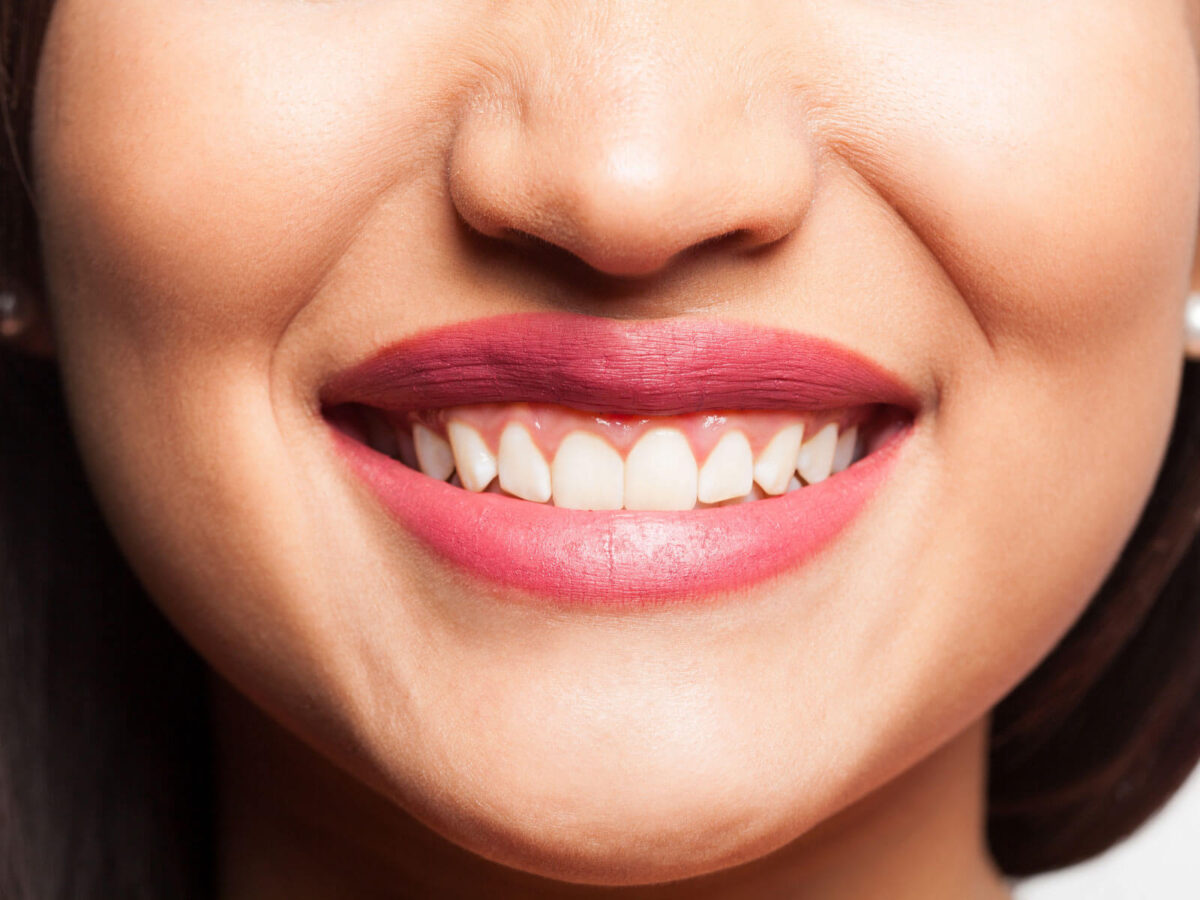
Best Foods for Healthy Gums: Top Nutrients and Diet Tips to Prevent Gum Disease
A dental hygienist I know keeps a running list of what her regular patients eat, mostly to track patterns rather than pass judgment. She’s found it predicts flare-ups of gum inflammation almost as reliably as their brushing habits do. One patient cut back on refined carbs alone, and her bleeding on probing dropped noticeably within two cleanings.
Diet actually moves the needle on gum health. Foods for gum health aren’t just a wellness blog talking point. There’s real research behind several specific nutrients, even if the evidence is stronger for some than others.
Does Vitamin C Actually Matter for Gum Health
Collagen holds gum tissue together, and the body can’t make it without vitamin C. That’s the basic case for why this vitamin gets brought up so often in dental health advice.
A PMC study looked at diet in people with periodontitis and found something odd: patients with gum disease reported eating slightly more vitamin C than people with healthy gums, not less.
Someone told they have gum disease is going to make different choices at the grocery store than they made the week before.
Citrus fruits, bell peppers, and strawberries are still among the better foods for gum health, according to Healthline. A diet change on its own isn’t going to fix gum disease that’s already there.
What Does the Research Say About Omega-3s and Gum Health
Omega-3s have a stronger track record than most nutrients on this list. A PMC meta-analysis looked specifically at adding omega-3s to standard periodontal treatment and found real improvements in wound healing, less attachment loss, and shallower pockets than treatment alone produced.
That result isn’t a one-off either. Several other reviews asking the same question kept landing in the same place – patients getting omega-3s alongside their treatment did better on pocket depth than those who didn’t.
Salmon, mackerel, and sardines are the easiest way to get there through food. Flaxseed and walnuts are an option too, though the body doesn’t convert plant-based omega-3s into their active form nearly as well as it handles the kind that comes from fish.
Do Vitamin D and Calcium Actually Protect Gums
The evidence is more uncertain than a lot of dental blogs suggest. Research on vitamin D and calcium supplementation for periodontal health has produced mixed results over time, with some studies finding a modest short-term benefit that fades by the one-year mark, and others finding a link too inconsistent to draw firm conclusions from yet.
Either nutrient is still worth getting enough of regardless. NIH’s Office of Dietary Supplements notes that vitamin D supports calcium absorption and bone health broadly, which matters directly for the jawbone that holds teeth in place, even setting aside what periodontal-specific research eventually settles on. Dairy, fortified cereals, and fatty fish cover both nutrients fairly efficiently as foods for gum health in one meal.
Which Specific Foods Should Actually Make the List
Salmon shows up more than anything else in this research, mostly because of the omega-3s. Mackerel and sardines work the same way if fresh salmon isn’t practical, and even two servings a week seem to be enough to matter.
Spinach and kale are almost cheating, since they hit vitamin C, calcium, and folic acid all at once. They also take real chewing, which drags saliva into the picture too.
Yogurt does something dairy in general doesn’t. Beyond the calcium, certain probiotic strains in it have shown up tied to less gum inflammation in a handful of studies.
Then there’s the crunchy stuff, apples, carrots, celery, where the food itself isn’t really the point. It’s the chewing that matters, and the saliva that chewing produces.
Green tea rounds this out. The catechins in it go after P. gingivalis directly, one of the bacteria most responsible for gum disease. People who drink it regularly tend to show up healthier in the research, though nobody’s proven the tea is what’s doing it.
What Foods Actually Make Gum Disease Worse
Sugar and refined carbs top the list of things to watch. The ADA has pointed to sugar as a real driver of dental disease, while also being upfront that periodontal disease doesn’t trace back to diet as cleanly as cavities do. White bread, white rice, and heavily processed snacks all belong in the same category.
Sugar feeds the bacteria most responsible for plaque acid production, which is the basic mechanism behind most of this. Frequent exposure throughout the day does more damage than the same total sugar eaten in one sitting, since sipping something sugary for hours gives bacteria far more chances to produce acid than finishing it in five minutes would, one more reason foods for gum health are as much about timing as ingredients.
Does Chewing Texture Actually Matter, or Just Nutrient Content
Both play a role. An apple and a smoothie can have identical nutrients and still do completely different things for your teeth. The apple creates friction against tooth surfaces as you chew it, and gets saliva flowing in a way the smoothie just doesn’t.
A diet built entirely around soft, processed foods loses that mechanical cleaning almost completely, regardless of how nutritious the ingredients are on paper. This shows up most in people who’ve shifted toward softer diets for unrelated reasons, such as aging, dental pain, or convenience. The nutrients alone don’t make up for what chewing itself contributes to gum health.
Can Diet Alone Replace Brushing and Flossing
No, and nothing in the research suggests otherwise. Every study cited here tested diet as an addition to standard hygiene and professional care, not a replacement for either one. Even the strongest omega-3 results came from studies pairing it with actual periodontal treatment.
Nutrition shifts the odds without doing the cleaning itself. Someone eating a great diet who skips brushing for a week still develops plaque and inflammation, since the foods for gum health discussed here support the tissue’s ability to heal but do nothing to remove bacteria already sitting on the teeth.
FAQ
How long before diet changes actually show up in gum health?
Somewhere between a few weeks and a couple of months, based on the timelines used in most of the supplementation studies. Bleeding tends to calm down faster than anything shows up in pocket depth measurements.
Is it worth taking supplements? Or should the nutrients come from actual food?
The research doesn’t settle this cleanly. A whole food brings along fiber, other compounds, and a slower release of the nutrient itself, none of which a pill replicates. That said, some of the strongest study results, particularly with omega-3s, actually came from supplement trials rather than dietary intake alone.
Can a bad diet cause gum disease without poor hygiene being involved at all?
Not really, at least not in the studies available. Almost every case tied to diet also involved inconsistent cleaning, meaning a poor diet tends to make an existing hygiene gap worse rather than cause gum disease by itself.
Should someone skip their dental cleaning if they drink green tea regularly?
No, and it’s not close. Once plaque hardens into tartar, nothing short of a dental instrument removes it. Green tea’s benefits show up earlier in the process, before that hardening happens.
Conclusion
Foods for gum health matter, though the research backing specific nutrients varies more than most lists let on. Omega-3s have the strongest case as a real adjunct to treatment, while vitamin C, vitamin D, and calcium all play some role, just with more open questions than the confident claims online tend to admit.
None of it replaces brushing, flossing, and regular cleanings. If you’re already managing gum disease, ask your dentist whether diet changes fit into your specific treatment plan, since that’s a better use of the research than trying to eat your way past a problem hygiene still has to handle directly.

