
Blog
Dental hygiene tips for healthy teeth & gums
Types of Dental Fillings: Which One Is Right for You?
Fillings are not something most people think about until they are needed. The dentist points something out during a visit. A short explanation follows. Then a decision is made faster than expected.
Later, curiosity usually settles in. People begin wondering why that specific material was chosen. That is often when someone starts reading about types of dental fillings in a more thoughtful way.
Teeth serve different purposes throughout the mouth. Some teeth take pressure every time food is chewed. Other teeth are more visible and affect appearance when smiling or speaking. Because of this, fillings are never chosen randomly. The goal is always to protect the tooth while keeping daily comfort intact.
Why Dental Fillings Vary From Tooth To Tooth
Every tooth handles stress in its own way. Molars deal with grinding and pressure for years. Front teeth focus more on appearance and lighter biting forces. These differences shape treatment decisions more than most people realise.
Knowing about types of dental fillings can help the decision feel clearer. Dentists first consider how the tooth functions in daily use. Some teeth handle more force than others. Appearance and long-term comfort also matter before a material is chosen.
Amalgam Fillings And Long-Standing Reliability
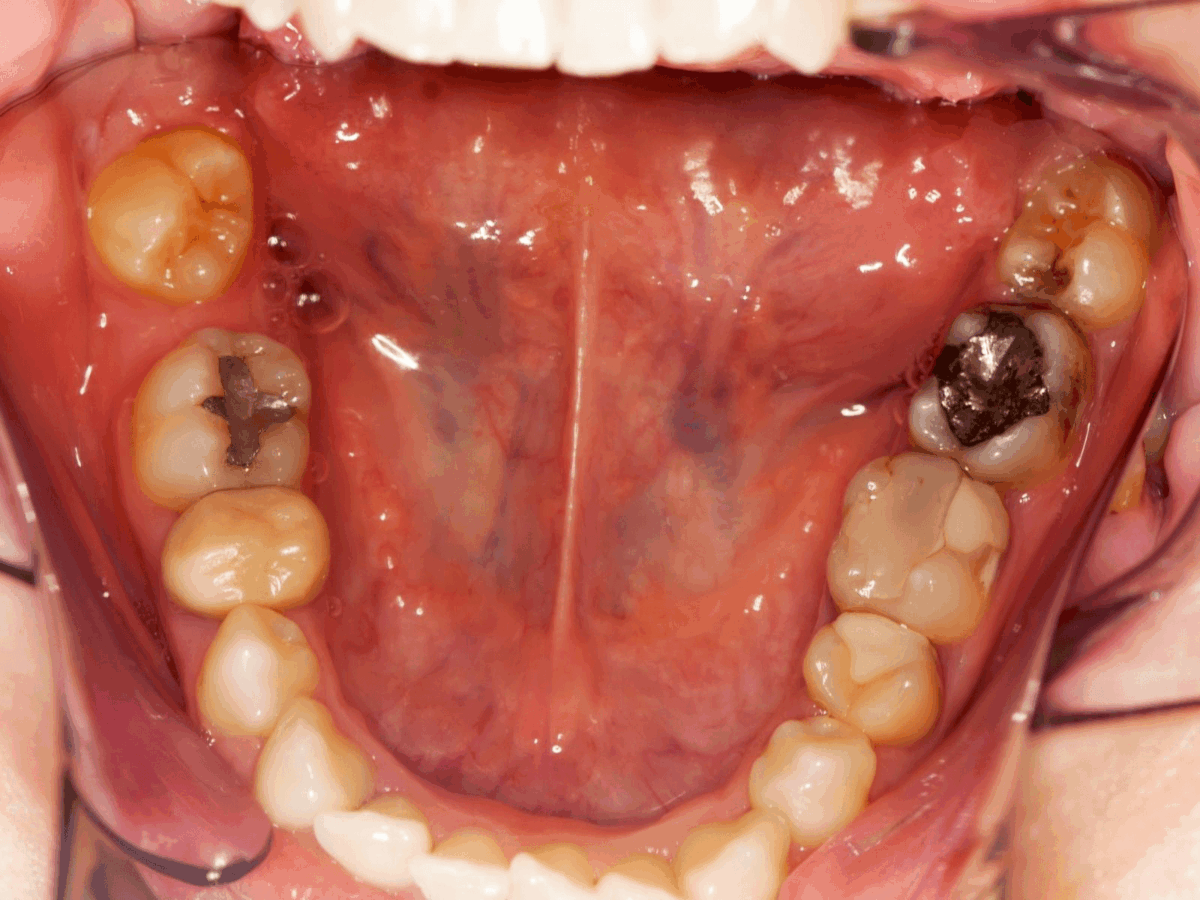
Amalgam fillings have been used in dentistry for many decades. They are strong and can be used every day. Because of this, they are often placed in the back teeth.
The darker colour makes them less noticeable in molars. When people explore types of dental fillings, amalgam often appears as a functional option. Longevity is usually the main advantage discussed.
Composite Fillings For Natural Appearance
These fillings are made to match tooth colour as closely as possible. When placed carefully, they are difficult to notice. This makes them a good choice for teeth that are easy to see.
The way composite fillings bond to the tooth helps improve stability. For those comparing different types of dental fillings, composite can feel like a good middle option that balances natural appearance with solid strength.
Glass Ionomer Fillings For Specific Situations
Glass ionomer fillings are used in areas with lighter pressure. They are usually placed near the gumline or in smaller cavities. One notable feature is fluoride release over time. That fluoride helps protect the tooth from further decay. When patients ask, “What are the types of dental fillings?”, used for gentle areas, glass ionomer is often part of the answer. Durability is not the primary goal here.
Resin Ionomer As A Flexible Choice
Resin ionomer fillings are designed by blending features from multiple materials into one option. They usually look smoother than traditional glass ionomer fillings. The surface blends in better. They also release small amounts of fluoride over time. That can help protect the area around the filling from future decay.
These fillings are commonly selected for minor restorations rather than larger repairs. Dentists often consider them when a tooth needs support but does not require maximum strength. Their ability to adapt slightly under pressure makes them useful in certain cases. This variety in performance and purpose shows why types of dental fillings are used rather than relying on one solution for every tooth.
Gold Fillings And Lasting Performance
Gold fillings are less common today, but still valued for strength. They tolerate chewing pressure extremely well over long periods. Many last for decades when properly cared for.
Placement usually requires more than one appointment. Some people prefer gold because strength matters more than appearance. When reviewing different types of dental fillings, gold is often linked with longevity.
Ceramic Fillings And Their Look Over Time
Ceramic fillings are usually made from porcelain. They resist stains better than composite fillings. The colour does not change much with time. Dentists may choose ceramic when both strength and appearance are important. The right type of dental filling can help patients feel more sure about their care. Many people feel ceramic fillings look natural.
How Dentists Choose The Right Filling
Dentists look at a few things before making a suggestion. The size of the cavity is important. The tooth location matters even more.
Daily habits also influence decisions. Teeth grinding and dietary choices affect wear patterns. Understanding types of dental fillings shows that these choices reflect lifestyle as much as damage repair.
How Fillings Respond To Daily Use
Each material responds differently to chewing pressure. Some fillings handle force better during everyday eating. Others are chosen mainly for appearance, especially in visible areas. Where the tooth is located and how much it is used can affect how well a filling lasts.
Fillings do not last forever without care. Changes happen slowly and are easy to miss. Regular checkups help dentists notice them in time. This is why dentists spend time talking about the types of dental fillings during treatment planning.
Sensitivity After A Filling Is Placed
Mild sensitivity sometimes follows filling placement. Temperature changes may trigger brief discomfort initially. This reaction usually settles within a short time.
Dentists consider comfort during material selection. Sensitivity matters alongside strength and appearance. Questions about what are the types of dental fillings often overlook this detail.
Cost And Insurance Details
Filling costs vary based on material choice. Some options require laboratory work. Insurance coverage may differ between materials.
Talking about costs early helps reduce stress. When learning about different types of dental fillings, understanding pricing supports better planning. Transparency makes decisions easier.
How Fillings Protect Nearby Teeth
A filling does more than repair one cavity. It restores balance to the bite. It helps prevent further decay.
Surrounding teeth benefit from proper support. This is why dentists explain the types of dental fillings during consultations. The effects extend beyond one tooth.
When Fillings Need Replacement
Fillings wear naturally over time. Small gaps or cracks can develop slowly. Regular visits help notice these changes in time.
Knowing the type of dental fillings present helps predict lifespan. Early replacement protects tooth structure. Prevention remains easier than complex repair.
Why Communication Matters During Treatment
A filling choice works best when it is talked through. Dentists share their training and what they have seen over time. Patients talk about comfort and any worries they have. That back and forth helps settle on a plan that feels right.
Knowing about the different types of dental fillings makes these talks easier. People ask clearer questions and feel more involved. This knowledge helps patients feel calmer about their care.
Final Thoughts On Dental Filling Choices
Dental fillings are chosen for a reason, not randomly. Each material has its own use, and each tooth has its own problems. Some teeth need strength above all else. Others need a solution that blends in naturally. The location of the tooth and the way it functions both matter more than many people realise.
Understanding types of dental fillings helps create confidence during treatment planning. Knowing why a certain option is recommended makes decisions feel calmer instead of uncertain. With that clarity, the process feels more controlled and far less stressful.
Cta
Whether it is a new filling or an old one being checked, having a conversation helps. A dental professional can talk through the choices and answer questions without rushing. That small step can make the filling feel right and reduce problems later.

