
Blog
Dental hygiene tips for healthy teeth & gums
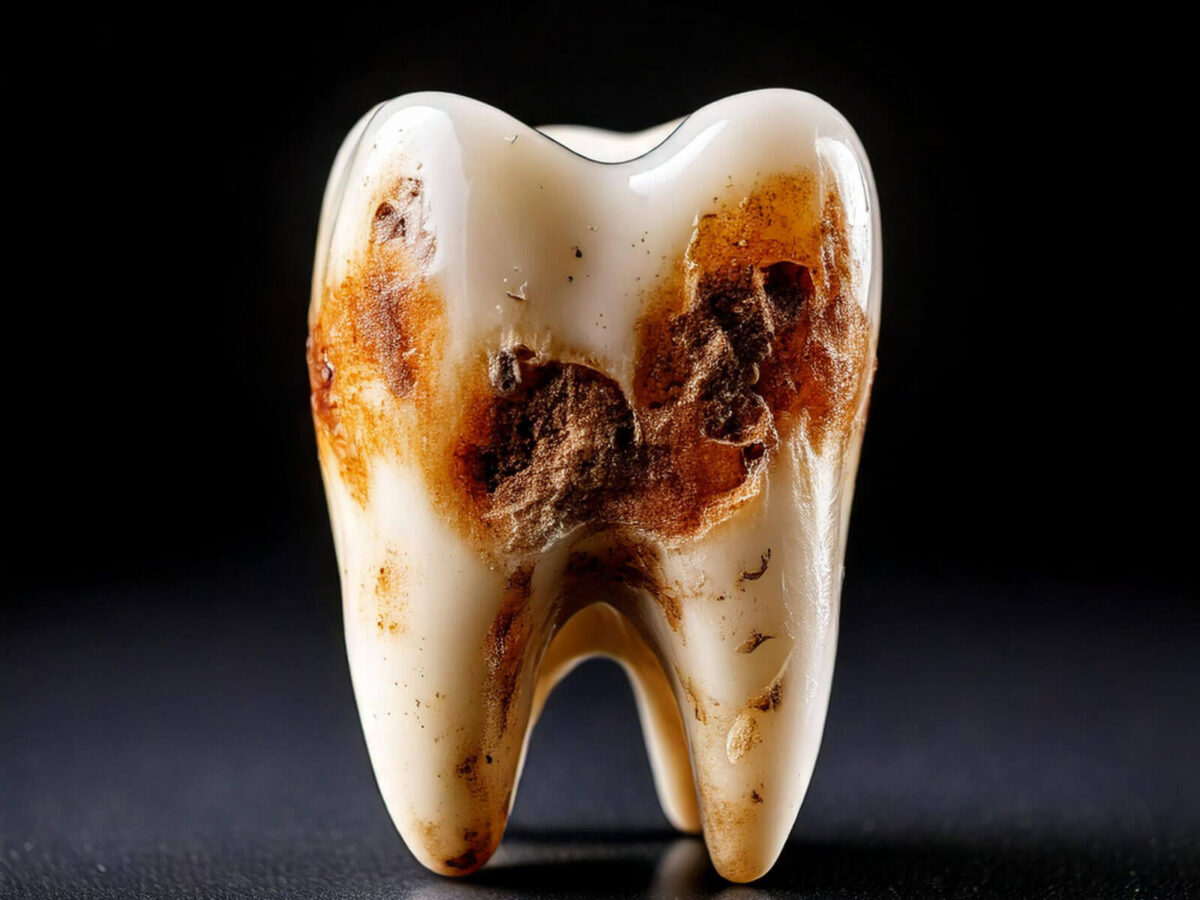
Top 10 Foods That Damage Your Teeth
People usually link dental problems with brushing routines. Missed flossing or forgotten cleaning before bed is often seen as the reason cavities appear.
But diet quietly plays a larger role than many realize. The conversation around foods bad for teeth usually begins only after decay or sensitivity appears.
What surprises many patients is that damage rarely comes from one meal. It develops from repetition. What happens every day tends to influence teeth more than occasional indulgence. Eating occurs much more frequently than brushing ever does.
Why Sugar Isn’t the Only Problem
Much of the attention goes to sugar, although its effects involve more than sweetness alone. Bacteria interact with it and release acids that weaken enamel gradually. The real concern begins when those acids stay in contact with teeth repeatedly.
Some foods that damage teeth aren’t obviously sweet. Others are acidic or sticky enough to remain on the surface long after eating.
Gradual enamel weakening associated with repeated acid exposure has been described in findings shared by the National Institute of Dental and Craniofacial Research.
It’s usually the combination of texture, acidity, and frequency that creates problems.
Why Sugary Drinks Create Constant Exposure
Soft drinks and sweetened beverages tend to affect teeth differently from solid foods. People rarely drink them quickly. Instead, they sip throughout the day.
Each sip restarts acid activity in the mouth. Enamel doesn’t receive enough recovery time between exposures.
Even drinks labelled sugar-free may remain acidic. That acidity alone places them among common foods bad for teeth, especially when consumed slowly. The issue often isn’t quantity. Its duration.
How Sticky Snacks Quietly Cause Damage
Certain foods cling to teeth instead of clearing away quickly. Chewy snacks and textured granola bars may settle into grooves or tight spaces. Those traces can stay behind until cleaned away.
Because they don’t wash away easily, they are often considered food that is harmful to teeth despite appearing harmless.
Many patients are surprised to learn that dried fruit can behave similarly to candy from a dental perspective.
Why Acidic Foods Deserve Attention Too
Citrus fruits and sports drinks introduce acid directly to enamel. Acid temporarily softens tooth surfaces. Brushing immediately afterwards can sometimes increase wear because enamel hasn’t fully rehardened yet.
Frequent intake of acidic foods can slowly affect enamel over time, an effect discussed in oral health guidance from the Centres for Disease Control and Prevention.
This doesn’t mean avoiding healthy foods entirely. It means understanding frequency. Occasional exposure differs greatly from constant sipping or snacking.
When Crunchy Foods Become a Mechanical Problem
Tooth damage does not always come from sugar or acid alone. Hard foods can place stress on teeth during everyday use. Chewing ice is a familiar example. Teeth handle pressure well, though repeated force against hard surfaces may create small fractures. These may go unnoticed initially, but can weaken enamel gradually.
For this reason, certain habits are grouped with foods that damage teeth despite having no sugar content.
Why Frequent Snacking Changes the Risk
A common habit dentists observe is ongoing snacking rather than set meals. Eating small amounts often feels harmless, though teeth remain exposed again and again. Every snack restarts the cycle before the mouth has time to return to normal. Saliva works gradually, and frequent eating interrupts that balance.
Small servings of foods that are bad for teeth may have greater impact when eaten often. Allowing time between meals helps reduce exposure.
How Nighttime Eating Habits Affect Oral Health
Late-night eating can affect teeth in ways people do not always notice. After snacks, many go straight to sleep, leaving little time for the mouth to clear itself. Overnight dryness is common, and food particles may remain longer than expected.
Snacks eaten shortly before sleep can remain on tooth surfaces overnight. The mouth stays still for hours, so those traces are not cleared away easily. Dentists often see cavities linked to nighttime routines. Repeated intake of foods that are bad for teeth can matter more than quantity alone. Taking breaks between meals gives teeth some recovery time.
How Drinks Like Coffee and Alcohol Play a Role
Coffee by itself is not always a concern for many people. Sweetened coffee, when sipped slowly over time, keeps teeth in contact more frequently. Alcohol can create a dry feeling in the mouth as well. That dryness can allow the waste to stay longer.
When moisture levels drop, the impact of foods that damage teeth may continue for longer than expected. Drinking water throughout the day can help counter this effect.
Why “Healthy” Snacking Can Still Affect Teeth
Many individuals move toward snacks labeled as healthy, assuming dental impact improves too. Products such as smoothies or packaged fruit snacks often appear more balanced. Nutritionally speaking, that assumption can be reasonable. From a dental standpoint, the effect depends on sugar content and how long the food remains in contact with teeth.
Foods considered healthy sometimes behave much like desserts when consumed often. Sticky ingredients or natural sugars can linger on tooth surfaces. For that reason, some foods that damage teeth may not seem obvious right away. The word “healthy” does not always match dental impact.
Why Timing Matters More Than Elimination
Many people think protecting teeth means giving up favorite foods completely. For most, everyday timing plays a bigger role instead. Eating sweets along with meals usually creates less exposure than frequent snacking. Drinking water afterward may help clear remaining residue. Dentists often pay closer attention to routine habits than to strict food limits. A balanced approach tends to feel easier to continue.
What Dentists Notice Most Often
Dental concerns rarely come from occasional treats alone. Daily patterns tend to play a larger role over time. Frequent contact with sticky snacks, acidic drinks, or sweet beverages can slowly affect enamel strength. The issue with food harmful to teeth is usually not the enjoyment itself. It relates more to how often exposure happens. Small routine changes practiced regularly often matter more than sudden short-term efforts.
How Eating Habits Change Over Time
As routines become busier, eating patterns tend to change without much notice. Convenience foods and quick snacks start filling gaps in the day. Coffee may replace breakfast. Energy drinks sometimes replace water. Regular meals can shift toward smaller, repeated snacks instead.
None of these habits feels dramatic alone. Over time, teeth face more frequent exposure to sugars and acids. Problems tend to develop from repeated exposure instead of major dietary shifts. Intake of food harmful to teeth may slowly blend into daily habits.
Why Moderation Usually Works Better Than Restriction
Giving up favorite foods entirely rarely lasts. Limits tend to fade when they no longer feel practical day to day. Many people instead focus on small practical changes. Rinsing with water after meals helps. Taking breaks between snacks matters too. Avoiding long sipping habits reduces exposure.
Teeth respond better when eating is spaced out. Constant contact often has more effect than occasional treats. Understanding how foods bad for teeth show up in routines makes change simpler.
FAQs
Are sweets the worst foods for teeth?
Sticky and acidic foods can sometimes cause more prolonged damage.
Are healthy foods ever harmful?
Yes. Some nutritious foods are acidic or cling to teeth.
Is snacking worse than dessert after meals?
Frequent snacking usually increases risk.
Should teeth be brushed immediately after acidic foods?
Waiting briefly allows enamel to recover.
Conclusion
Knowing more about foods bad for teeth helps patients understand why issues may arise even when brushing regularly. Effects usually build over time through everyday food choices and snacking habits. Several foods that damage teeth are familiar items found in typical diets, with frequency playing a larger role than quantity.
Noticing which foods are considered harmful for teeth does not mean avoiding enjoyment altogether. Even minor adjustments in everyday routines can help reduce the effects gradually. Diet is something people often discuss during regular checkups.

