
Blog
Dental hygiene tips for healthy teeth & gums
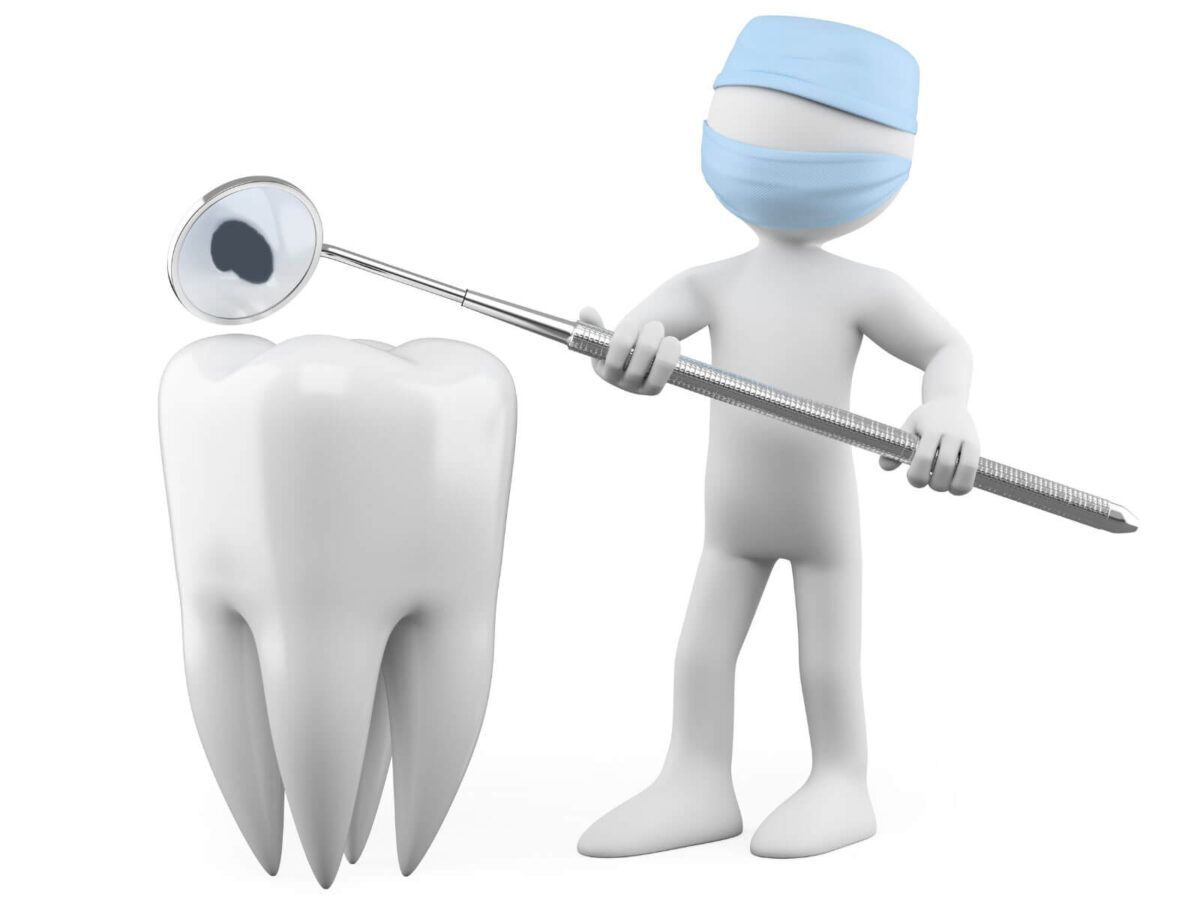
Can You Get a Cavity on a Filling?
When you get a filling, it feels final. The dentist cleans out the damaged part, fills the space, and you walk out thinking it’s finally taken care of. You stop thinking about that tooth. It becomes part of the background again.
That’s why it can catch you off guard if that same tooth starts acting up later. Maybe there’s sensitivity. Maybe your dentist points out something during an exam. And suddenly you’re sitting there wondering how that makes sense. It was already treated. It was already fixed. So naturally, the thought comes up: can you get a cavity on a filling?
It seems like the answer should be no. After all, the damaged part was replaced. But fillings don’t replace the entire tooth. They repair a section of it. The filling covers one area, but the surrounding tooth keeps living its normal life, facing plaque, pressure, and tiny changes you don’t even notice. That’s usually when it clicks.
What a Filling Actually Fixes
A filling starts with clearing out the decayed area, then placing a material to rebuild that spot. It’s meant to restore the tooth. Usually, composite resin or amalgam is used. It is done to keep bacteria from settling there again. Still, it only fixes that one spot. The rest of the tooth is untouched. Everything around the filling is still your real tooth. It goes through the same buildup and pressure it did before.
That’s why when someone asks, “Can you get cavities in fillings?”, the better explanation is that the cavity does not form inside the filling itself. It usually forms in the natural tooth right beside it, and understanding that changes how we look at the situation.
Why Decay Can Return Around a Filling
Over time, teeth and restorations experience stress. Meals, snacks, cold drinks. Your teeth are constantly responding to those changes. On top of that, stress can have you tightening your jaw without realising it. That repeated pressure slowly impacts the spot where the filling and tooth come together.
That seam is called the margin. Ideally, it fits tightly. But years of pressure and temperature changes can cause small gaps to develop. They’re often too small to see or feel. Bacteria don’t need much space. If plaque collects at that margin and isn’t removed consistently, decay can begin again. Dentists call this secondary or recurrent decay.
Can You Get a Cavity Under a Filling?
This version of the question usually carries more worry. If bacteria work their way into a small gap at the margin, decay can extend beneath the existing filling. The restoration may still look intact from the outside while the natural tooth structure underneath weakens. That’s the moment the thought pops up: “Can you get a cavity under a filling?”
The filling itself does not rot, but the tooth beneath it can. Sometimes this happens because the filling has aged and lost its tight seal. Other times, it develops because plaque was consistently present at the edges. It’s rarely sudden. It’s a slow process. And that’s why regular exams matter. Dentists often detect these issues on X-rays before a patient feels anything unusual.
Why Fillings Don’t Last Forever
There’s a quiet assumption that fillings are permanent. In reality, they are durable but not immune to time. Most fillings eventually need attention. Based on the type of material and your habits, they commonly last in the range of seven to fifteen years. Over that span, the mouth is constantly active. The filling expands and contracts slightly with temperature changes. Chewing pressure causes wear. Grinding at night can increase stress.
So when someone wonders, “Can you get cavities in fillings?”, it helps to remember that restorations age. The environment doesn’t pause just because a repair was made.
The Part That Feels Personal
When the same tooth has another issue, it’s hard not to wonder if the first fix didn’t work. Maybe the filling wasn’t placed correctly. Maybe you did something careless. In most cases, neither is true.
Secondary decay usually reflects normal wear combined with everyday bacterial exposure. Teeth exist in a living environment full of microorganisms. Even strong materials cannot create a perfect, permanent barrier.
Understanding “Can you get a cavity on a filling?” means accepting that dental work reduces risk, but it doesn’t eliminate it completely. That’s not failure. It’s biology.
What You Might Notice
Sometimes there are warning signs. Sensitivity to cold that wasn’t there before. A dull ache when biting down. A dark line is forming near the edge of the filling. Other times, there are no symptoms at all. That unpredictability is what makes the question “Can you get a cavity under a filling?” feel unsettling. Because yes, it can happen quietly.
When you go in for checkups, small concerns are usually found before they turn into something bigger. X-rays can pick up decay under a filling long before it starts hurting. Most secondary cavities are manageable if detected early.
How to Reduce the Risk
There isn’t a complicated formula. Brushing twice daily with fluoride toothpaste helps prevent plaque buildup along margins. Flossing is especially important because many recurrent cavities begin between teeth where brushing doesn’t reach effectively.
Skipping habits like chewing ice or using your teeth to open things helps take pressure off fillings. And if you grind at night, wearing a night guard can really help protect them. Most importantly, regular dental exams allow professionals to monitor existing fillings before small gaps become larger problems.
When thinking about “Can you get a cavity on a filling?” the answer may be yes, but the risk decreases dramatically with consistent care.
FAQs
After a tooth is filled, is it really in the clear?
No. The filling fixed the original problem, but the rest of the tooth still goes through daily wear.
If I brush regularly, does that prevent it completely?
Brushing lowers the risk, but it doesn’t stop ageing. Over time, small gaps can form around a filling.
Would I feel pain if decay forms under a filling?
Not necessarily. Sometimes there’s no discomfort at all in the beginning.
Do fillings wear out?
Most of them do. Years of pressure and temperature changes slowly take a toll.
Conclusion
So, can you get a cavity on a filling? Yes. The filling itself doesn’t decay, and it doesn’t usually mean there was a mistake. The tooth is still exposed to daily wear, though. Bacteria, chewing, and simple aging all matter.
Understanding that you can get cavities in fillings isn’t about expecting problems. It’s about recognizing that dental restorations require maintenance, just like natural teeth do.
A filling fixes the damage that was there at the time, but it doesn’t mean that the tooth never needs to be looked at again. Most changes happen quietly. You usually don’t notice anything until it’s already been there a while. Going in regularly just makes it easier to deal with small stuff before it turns into something bigger.

