
Blog
Dental hygiene tips for healthy teeth & gums
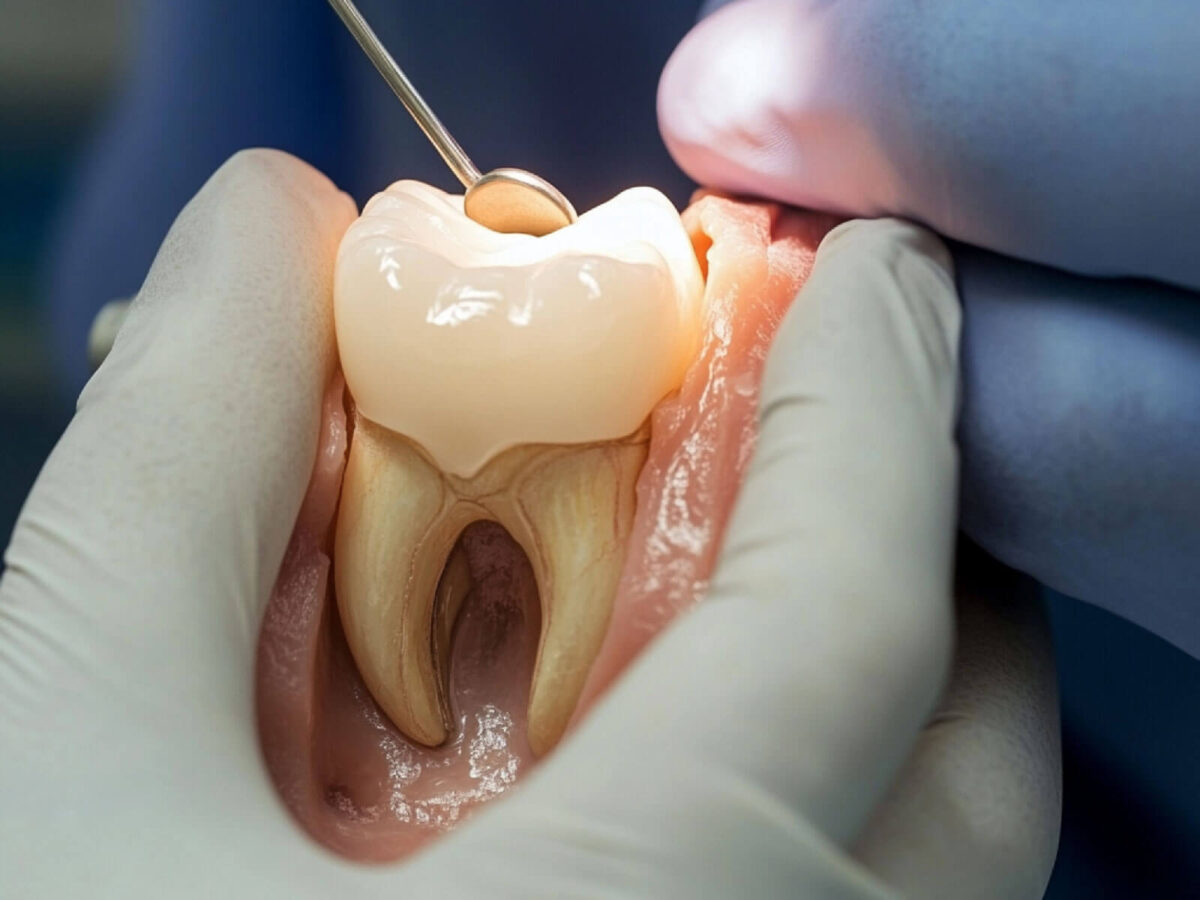
Does Getting a Tooth Filling Hurt? What to Expect
Hearing that you need a filling can make your stomach drop a little. It does not matter if the dentist says it casually. The moment the word “cavity” appears, your brain usually jumps straight to the next thought. Is this going to hurt?
That kind of reaction is common. Dental work carried a reputation for discomfort for years, though today it has changed greatly. The tools are different now. The techniques are better. Comfort is something dentists try to maintain during treatment.
Still, the question keeps coming up. Does getting teeth filled hurt? The answer for most people is quite simple. Usually not. At least not the way many people imagine.
Cavities themselves are extremely common. The Centers for Disease Control and Prevention reports that around 90 percent of adults in the United States have had at least one cavity at some point.
So fillings are something dentists do every single day. And because of that, the process has become very predictable and usually quite manageable.
Why Dentists Recommend Fillings
Before worrying about “does getting teeth filled hurt”, it helps to know why dentists recommend fillings in the first place. A cavity starts quietly. People often do not notice it early on. After eating, sugar can stay on teeth. Germs use it for food, making acids. That acid wears away enamel.
At first, the damage is tiny. Maybe a faint dark spot appears on the tooth. Maybe nothing is visible at all. With time, enamel weakens, and a small hole slowly forms. That hole is the cavity. If the decay keeps spreading, it moves deeper into the tooth. That is when sensitivity or pain may begin.
A filling stops the process early. The first step is removing the decayed tooth structure. That space is filled with dental material. The tooth becomes stronger, and the decay is stopped. The American Dental Association explains that fillings repair teeth and slow further decay.
What the Filling Appointment Is Actually Like
People often expect the appointment to be complicated. In many cases, it is quite straightforward. The dentist begins with a short exam. Sometimes an X-ray is used to see how far the cavity has reached inside the tooth.
Next comes the numbing step. A small amount of numbing medicine is placed near the tooth. The tooth and the nearby gum lose feeling for a while. This keeps the procedure comfortable. Many patients who arrive asking, “Does getting teeth filled hurt?” find the visit much easier than they imagined.
After numbness sets in, the dentist removes the unhealthy portion of the tooth. The space is cleaned carefully. Then the filling material is placed and shaped so it fits naturally with the tooth.
Does Getting Teeth Filled Hurt During the Procedure
This part of the visit often causes the most concern. Plenty of patients arrive unsure about what the visit will feel like. After the numbing medicine begins working, the tooth loses sensation. That loss of feeling lets the dentist continue treatment comfortably.
While the dentist works, patients may notice a few mild sensations. The dental tools can create a soft vibration. Sometimes there is pressure on the tooth. Others describe the feeling as light tapping. These are normal sensations during dental work.
For that reason, when people ask Do tooth fillings hurt, dentists usually explain that pain is unlikely. When the tooth stays numb, most patients experience the procedure as comfortable. Many patients finish the appointment feeling relieved.
The Numbing Injection People Worry About
Many patients focus on the injection before anything else. Dentists know many people feel this way, so they place numbing gel on the gum first. That gel helps reduce the feeling before the anaesthetic is delivered. That gel helps dull the area before anaesthetic is given. The injection itself lasts only a few seconds.
Most patients describe it as a quick pinch followed by a little pressure. Then it fades. After a few minutes, the tooth loses sensation. From that moment, treatment can start without causing discomfort. Knowing this step ahead of time helps many people feel calmer when wondering, “Does a tooth filling hurt?”
What Happens After the Filling
Once the filling is done, the numb feeling does not disappear right away. The cheek, lips, or tongue may feel strange for a while. That is normal. For a few hours, the mouth may still feel numb. Because of that, dentists often advise waiting before eating.
When sensation returns, the tooth might react a little. Cold drinks sometimes feel sharper than expected. Chewing may also feel slightly different on that side. Most people notice it for a short time. Then it fades.
Because of that, when people ask, “Do teeth fillings hurt afterwards?” dentists often say the same thing. The feeling is temporary and settles down.
Why Teeth Sometimes Feel Sensitive Afterwards
Teeth contain a small nerve inside. When the dentist removes decay, that nerve may respond for a short time while the tooth adjusts. This reaction is especially common if the cavity is deep. Cold air, cold drinks, or chewing pressure can trigger sensitivity during that adjustment period.
The National Institute of Dental and Craniofacial Research explains that mild sensitivity after dental work is fairly common and usually disappears on its own. Most patients find the sensitivity fades within a few days.
Sometimes a Filling Needs a Small Adjustment
Now and then, a filling may feel slightly uneven when you bite down. It is usually because the filling sits a bit higher than the surrounding teeth. When the top and bottom teeth come together like that, the bite can feel off. Some people notice it most while chewing.
Dentists can correct this quickly. A small adjustment smooths the filling so the bite feels natural again. Once the bite is balanced, the tooth usually feels completely normal. Situations like this sometimes make patients wonder again, ” Do tooth fillings hurt?”, but the adjustment itself is usually very quick.
Why Treating Cavities Early Matters
Treating a small cavity is usually simple. Dentists prefer to catch them early for that reason. As decay moves deeper into the tooth, it can reach the pulp over time. That inner space contains the nerves and blood vessels.
Once the pulp becomes involved, the treatment often changes. Instead of a filling, the tooth may need a root canal. Finding cavities early helps prevent that situation. A quick filling today can save someone from a more involved procedure later.
FAQs
Does getting teeth filled hurt for most people?
No. Numbing medicine keeps the area comfortable.
Does it hurt while the dentist works?
Patients may notice pressure, but pain is uncommon.
Does a tooth filling hurt afterwards?
For a while, the tooth may feel a little sensitive.
Do teeth fillings hurt if the cavity is large?
Large cavities may cause brief sensitivity afterwards.
Final Thoughts
The idea of a filling often sounds worse than the experience itself. Modern dentistry focuses heavily on comfort. Numbing medication prevents pain, and the procedure usually moves quickly once it begins.
Understanding “does getting teeth filled hurt” helps many people approach the appointment with less worry. Most patients leave, realising the process was easier than they expected. And fixing the cavity early helps protect the tooth from bigger problems later.
If a dentist advises repairing a cavity, acting sooner often helps the most. Decay tends to spread gradually through the tooth structure. Addressing the issue early can keep the damage limited. Many people find that a short dental visit at this stage prevents bigger treatment later.

