
Blog
Dental hygiene tips for healthy teeth & gums
What Are Dental Sealants?
Dental sealants are one of those dental things people hear about and then move on from. They come up during kids’ appointments, sometimes quickly, sometimes while the dentist is already talking about something else. Parents usually nod. Adults don’t ask many follow-up questions. And the thought kind of sits there unanswered. What are dental sealants anyway, and are they actually doing anything important?
They matter more than people assume. Dental sealants are simple. They don’t take much time. There’s no big moment where you notice a change. Nothing feels different right away. They just stay there, working quietly in the background. Nothing obvious happens at first. No instant result. But if avoiding future repairs matters to you more than fixing problems later, it’s worth taking the time to understand how this works. That’s when the longer explanation actually starts to matter.
What Are Dental Sealants Really?
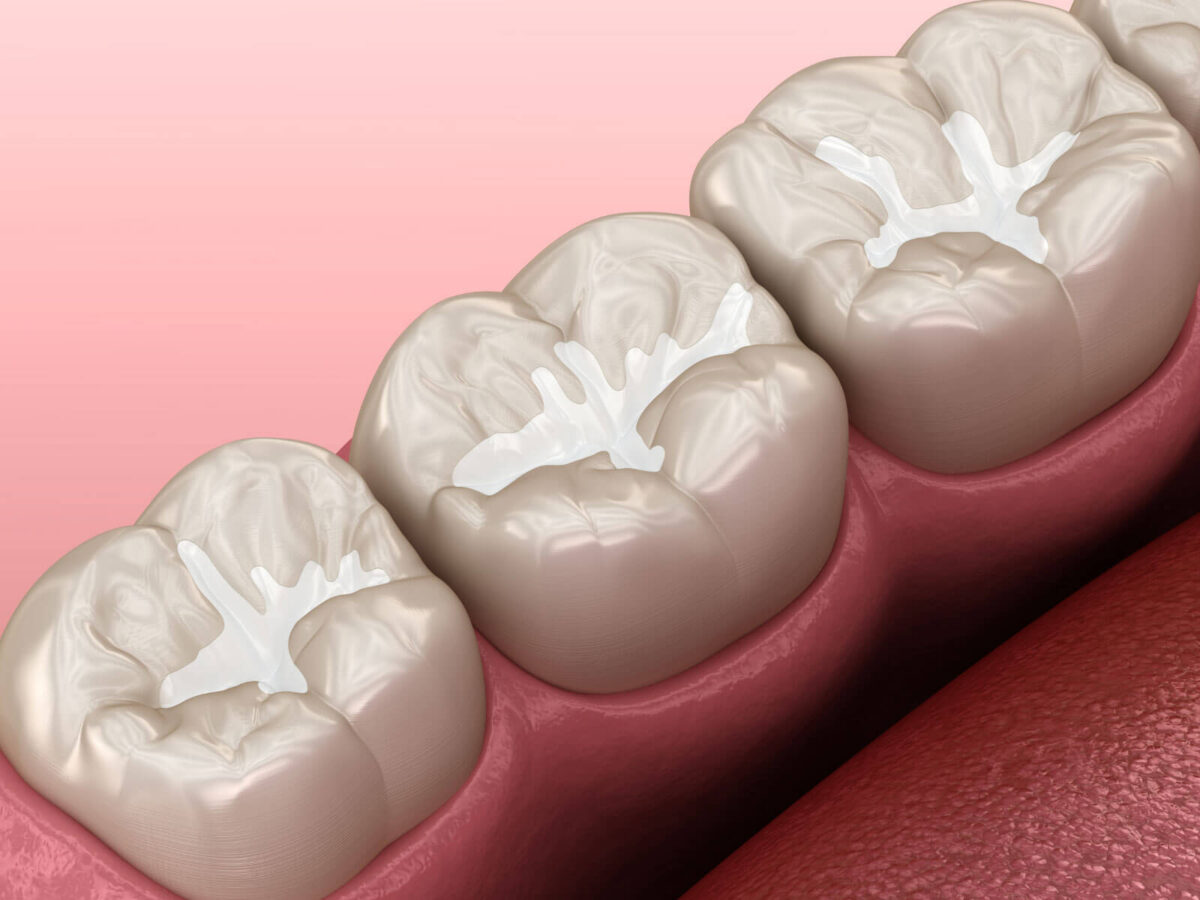
Dental sealants are thin coatings placed on the chewing surfaces of teeth. Most often, it is done on the back teeth. The problem with those teeth is the grooves. They trap food without people realising it, even when brushing habits are good. That part catches people off guard. Those grooves are just hard to clean properly.
Sealants fill in those spaces and smooth things out. Once that happens, bacteria don’t have the same places to sit and cause decay. According to the Centers for Disease Control and Prevention, sealants can cut the risk of cavities in molars by nearly 80% in the first two years. And they don’t suddenly stop working after that. Even years later, they still offer protection. [Source]
What Are Sealants Used For
When sealants come up, most people picture kids. There’s a reason for that. Younger patients tend to get more decay in their back teeth. The back molars have little pockets that trap food. Toothbrush bristles can miss those spots without you realising it.
This is really what dental sealants are used for. They act as protection for those teeth during the years when cavities are more common. Still, sealants aren’t limited to children. Adults who don’t have fillings or decay in their molars can benefit as well. Dentists may suggest sealants for adults who are cavity-prone or have deep tooth grooves.
Public health research has found a big gap here. Kids without sealants tend to end up with almost three times as many cavities in their molars compared to kids who have them. [Source]
What Happens Once Sealants Are Applied
People often ask, “How do dental sealants work?” if they’re just a thin coating. The key is where they sit and what they block.
Bacteria need food and shelter to cause decay. The tiny pits and grooves on molars provide both. Sealants fill in those spaces. Once sealed, bacteria can’t hide there as easily.
The process doesn’t change how teeth feel when chewing. It simply blocks the spots most likely to develop cavities. Over time, this greatly lowers decay risk.
Studies in dentistry show that sealants continue to work while they remain intact. Once they wear down, the protection changes. That’s why dentists check sealants during routine visits. [Source]
What Goes Into Dental Sealants
People also tend to ask about materials, usually phrased as what are dental sealants made of, especially once they hear the word “coating.” In most cases, sealants are made from a plastic-based resin. In some situations, dentists use glass ionomer materials instead, particularly when keeping the tooth completely dry is harder than usual.
These materials aren’t unusual in dentistry. These materials are already used in other dental treatments. That’s why dentists trust them. They’re applied, then they bond to the tooth surface. A curing light sets them quickly. After that, they stay put.
Studies that look at sealant materials over time show they stay stable when used as intended. Safety issues haven’t been significant. The benefits outweigh the risks. [Source]
What It’s Like Getting Sealants
The sealant process is usually much simpler than people expect. There’s no drilling and no numbing involved, which tends to surprise a lot of parents and kids. That alone changes how the appointment feels. It’s quick and painless.
The tooth is cleaned. A special solution is applied for a short time to help with bonding, then rinsed off. After drying again, the sealant is brushed onto the tooth surface and hardened with a curing light. The light only takes seconds. When the question comes up about “how do dental sealants work?”, this is really the entire process. It’s fast, doesn’t take long per tooth, and most children don’t even realise the treatment happened.
How Long Do Sealants Work
Sealants aren’t permanent. Dentists usually say that upfront. But they also don’t wear out as fast as people assume. With normal chewing, many of them last five to ten years, sometimes longer. It isn’t something that suddenly fails overnight.
Dentists look at sealants again during checkups. Sometimes a corner wears down or there’s a small chip. That part is usually fixable. This has been followed in dental studies over the years, and they show sealants still help protect teeth into the teen years. They may even help in adulthood when they’re checked and kept up. [Source]
Where Fluoride Helps and Where Sealants Step In?
Fluoride strengthens enamel on smooth tooth surfaces, where brushing already helps. The problem is the deep grooves in molars.
Fluoride doesn’t always settle there long enough to protect them fully. That’s where people start asking how do dental sealants work.
Sealants don’t do anything fancy. They just cover the grooves where trouble usually starts. That alone makes a big difference. As for “what are dental sealants made of?”, it’s a resin material that bonds to the tooth and doesn’t wash away after a few meals.
Public health numbers support this. Fluoride helps. Sealants help too. Kids who get both generally have fewer cavities than those who only receive fluoride. That’s why dentists don’t treat this as a choice between the two. It’s not either-or. It’s both, working together. [Source]
What Are Dental Sealants For If Someone Already Brushes Well?
Even with good brushing habits, molars can still be an issue. Toothbrush bristles just don’t get deep into those grooves. That’s where “what are dental sealants for” starts to make sense. It’s not about effort. Some areas are just harder to clean. Sealants help cover those spots. That matters more for kids and teens.
Where Sealants Fall Short
Sealants are safe, but they’re not meant to do it all. They protect the chewing surface. Cavities can still form between teeth or near the gums. Sealants also wear down over time. If they aren’t checked and repaired, the tooth loses that added layer of protection. Routine dental visits help catch it early.
FAQs
Do sealants hurt?
The answer is no. It’s painless. And there’s no drilling.
Are sealants visible?
Most sealants are clear or tooth-colored and hard to notice.
Do sealants trap bacteria?
Properly placed sealants seal bacteria out, not in.
Conclusion
At the end of the day, “What are dental sealants” comes down to protection in the areas where brushing doesn’t always reach. They don’t do anything dramatic. They just help block bacteria before it turns into a bigger problem.
Understanding “what dental sealants are used for,” “how do dental sealants work,” and “what are dental sealants made of” helps explain why dentists recommend them so often. If prevention is the goal, sealants are one of the easiest steps to take.
If you or your child hasn’t had sealants before, a dental visit can help determine whether they make sense. A few minutes of prevention can save years of future dental work.

