
Blog
Dental hygiene tips for healthy teeth & gums
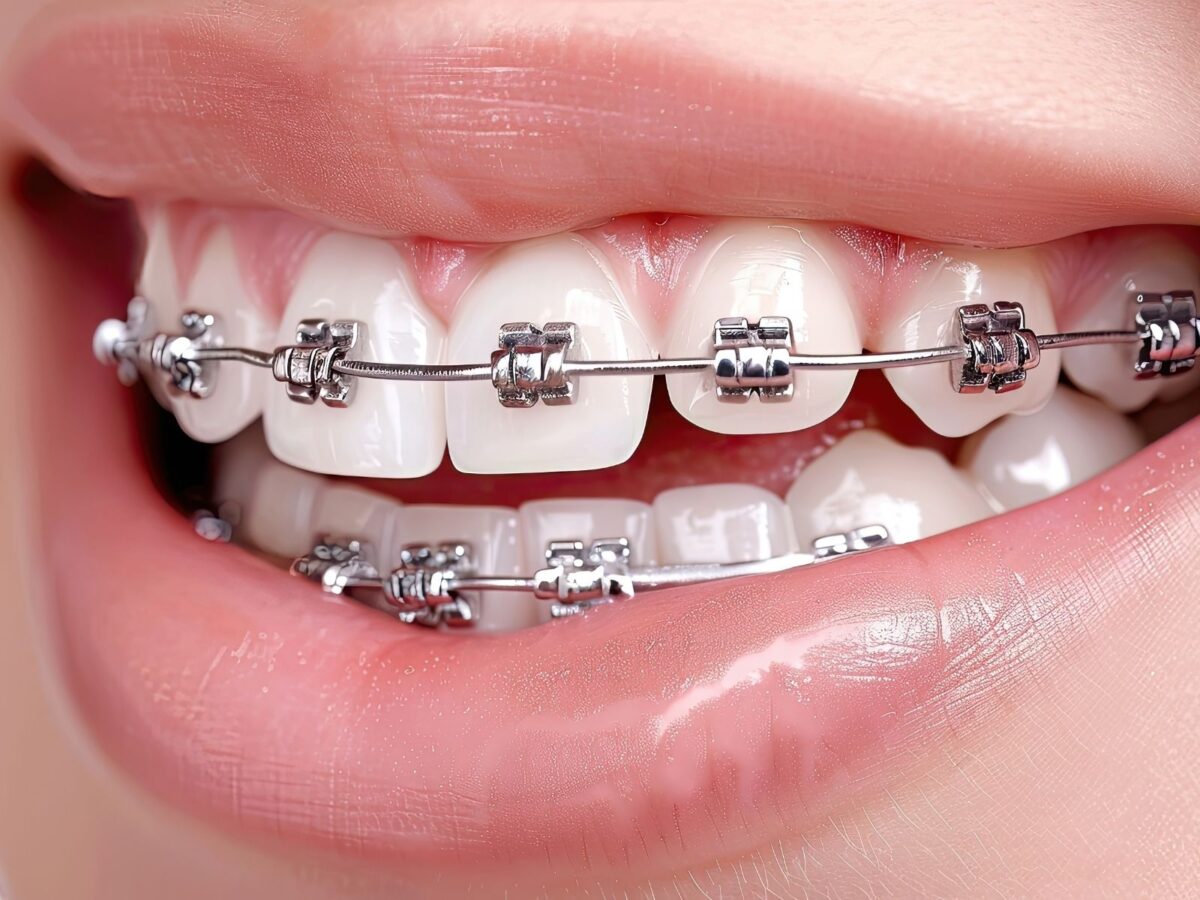
Is It Too Late for Braces? Adult Orthodontic Options Explained
At some point, people stop mentioning braces out loud. It is not that the idea disappears. It just starts to feel like something that was meant for earlier, like maybe that time has already gone. Still, the thought doesn’t really leave.
It comes back quietly. In photos where the smile does not feel quite right. Or while eating, when something feels slightly off, not painful, just noticeable enough to linger. Then you start asking, “Is it already too late to make a change?”
That is when adult orthodontics kind of enters the conversation, even if it is not called that yet. Because the question is not really about braces anymore. It is about timing and whether something can still be done.
Why Teeth Can Still Move Even As An Adult
A lot of people think there comes a point when teeth just stop changing. Like, once you are older, whatever you have is what stays. It sounds reasonable, but it is not completely true.
Teeth don’t really shift on their own anymore. That part slows down over time. But when there is steady pressure, they do start to move a little. It’s so gradual that you might think nothing is moving. But if you look back after some time, the change is there.
Everyone might have their own experience with it. Still, the ability is there. That is really why adult orthodontics exists, not as something unusual, but as a way to guide those small changes later in life.
Why More Adults Are Starting Treatment Now Than Before
This shift didn’t happen suddenly. It’s been building over time. The American Association of Orthodontists has pointed out that adults are taking up a bigger part of orthodontic care, and it’s been rising year after year. That change isn’t just about access. It’s also how people see it now. It feels more accepted than it used to.
Some didn’t have the option earlier. Others had braces before and noticed their teeth shifting again, which is more common than people think. For some, it just happens later. They decide when they’re ready.
What’s Different For Adults
The end goal is still the same, though. Teeth are moved into better alignment. Bite improves. Everything fits together more comfortably. But the starting point is often different.
Adults may have existing dental work. Fillings, crowns, and maybe even missing teeth in some cases. Gum health also becomes more important because any underlying issues need to be stable before treatment begins.
That doesn’t make things complicated in a dramatic way. It just means the plan is more specific to the person. So when people think about adult orthodontics, it’s not that the process is harder. It’s just more tailored.
What Types Of Braces Are Actually Available For Adults
This is usually the point where expectations change a little. Most people still think of metal braces first. That’s just what most people think of. And they’re still used, especially in more complex cases. They work well. That part hasn’t changed. But they’re not the only option anymore.
With ceramic braces, things look a bit more subtle. They don’t catch attention the same way. Lingual braces are different. They sit on the inside of the teeth, so you don’t really see them. They can feel strange in the beginning.
And then there are clear aligners. These are what people hear about most now. They’re removable, which helps with eating and cleaning. And they don’t really stand out.
So when someone looks into adult orthodontics, they usually find more flexibility than expected.
How Long Does Treatment Usually Take For Adults
Time is one of the first concerns. And it’s not always easy to answer clearly. Some treatments take about a year. Others go closer to two years. Occasionally longer, depending on what needs to be corrected. Some adults expect it to take way longer than it would for a teen. That’s not always true.
Sometimes it’s pretty similar. Other times it takes a bit longer. Not enough to change the whole decision, though. What really matters is sticking with it. Keeping up with appointments. Following instructions. Wearing aligners as recommended if that’s the option chosen.
So when thinking about treatment length, it’s not just about time passing. It’s about how the process is followed.
What About Adult Orthodontics Cost And What Changes It
Cost is where things often start to feel uncertain again. There isn’t a fixed number that applies to everyone. Most treatments fall somewhere in the 3,000 – 8,000 dollar range, but that can change depending on the situation. If the case is more complex, the cost usually goes up. It also depends on the type you choose and how long the treatment runs. Clear aligners can be on the higher side, particularly when several sets are needed along the way.
According to general dental data, orthodontic costs vary based on duration and customization. Not just the type of braces. So when thinking about adult orthodontics cost, it’s not really about age. It is really about what the treatment actually involves.
Why Adults Hesitate Even When It’s Possible
Even when everything lines up, people still pause. For some people, it’s not really about money or time. It’s more about how they feel about wearing braces as an adult. That part feels unfamiliar, especially in professional settings or social situations. There’s also the commitment.
Appointments, adjustments, and the feeling of something new in your mouth. It can take some getting used to. And there’s often another question sitting in the back of your mind. Is it worth it now? That’s usually the hardest part to answer.
What It’s Like Once Treatment Is Done
This part doesn’t always get enough attention. Once treatment is done, it doesn’t completely stop there. Retainers are often part of what comes next. They help keep your teeth where they are. Otherwise, shifting can happen over time. That applies to both adults and younger patients.
So when thinking about adult orthodontics, it’s not just about getting through treatment. It’s also about maintaining the result afterward.
Is There Actually A Point Where It Becomes Too Late
This is the question behind everything else. It’s not just about whether you can do it. There’s also that thought—does it even make sense after a while? Usually, there’s no clear age limit for it. As long as the teeth and gums are healthy, orthodontic treatment remains an option. So the decision doesn’t come down to age as much as people expect. It comes down to condition, preference, and whether the person feels ready to go through the process.
FAQs
Does adult orthodontics work at any age?
There’s no fixed age limit. If the teeth and gums are in good shape, it can still work.
Is adult orthodontics really heavy on the pocket?
It is all up to the case. Lower limit is $3000. Upper limit goes up to $8000.
For adults, is it something that takes a long time or not really?
It varies. Many treatments end up taking up to 2 years.
Are clear aligners better for adults?
Their “no visibility” makes them the preferred choice. But they don’t suit every situation.
Conclusion
A lot of people feel like they’ve missed their chance with braces. That feeling usually comes from an assumption more than anything else. In reality, adult orthodontics is something many people go for. It still actually works even if it has been many years.
Is this something you are interested in? This is the right time to look into it instead of putting it off again. A consultation can help you understand what applies to you and what does not. Book a visit, and have a conversation. Get a clearer picture. It’s much easier than trying to make it work on your own.

